
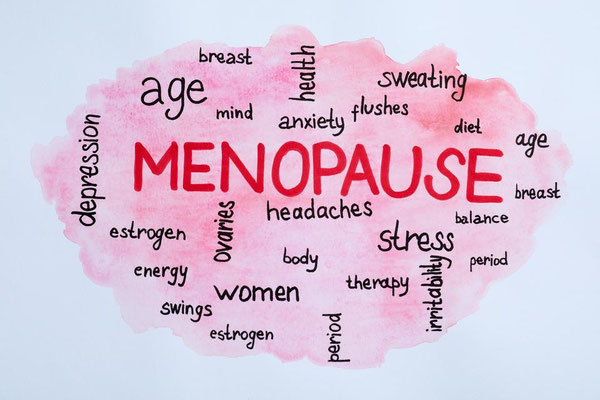
perimenopause and menopause Therapy for women
This is your time. Let’s make it transformational.
Perimenopause and menopause aren’t just biological shifts — they can shake up your identity, relationships, body image, mood, and even your sense of self. These changes can feel overwhelming, frustrating, and sometimes isolating. But you’re not alone, and you don’t have to navigate it in silence.
Through therapy, our relationship becomes a powerful space for healing and growth — a gateway to a deeper understanding of who you are and how you want to live this next chapter. Whether you're dealing with mood swings, anxiety, body changes, grief over fertility, or a loss of libido, therapy can help you move from feeling “off” or stuck to feeling strong, seen, and fully alive.
Let’s talk about it all — the real sH*T.
In our work together, nothing is off limits. We’ll make space for the tears, the anger, the confusion, and yes — the laughter that comes when you realize you’re not broken. You’re *evolving*.
Here’s what we might explore:
-
Mood shifts and anxiety that feel like they come out of nowhere
-
Grief and identity changes around fertility, aging, and womanhood
-
Body image concerns and how hormonal changes affect the way you see yourself
-
Sexual health and pleasure — because let’s be real, good sex is part of good mental health
-
Relationship challenges and how perimenopause/menopause may be affecting your intimacy
-
The pressure to “keep it together” at work, at home, or in caregiving roles
-
Learning how to use your voice, set boundaries, and step into your power
This is also a time where unresolved issues — around trauma, food, relationships, or self-worth — often rise to the surface. Therapy can help you finally face them, with compassion and courage.
if Pleasure is your birthright, So is peace.
As a therapist with a deep passion for supporting women through all stages of life, I bring a mix of clinical expertise, humor, and real talk to our sessions. I’ve helped countless women discover that midlife doesn’t have to be the beginning of the end — it can be the beginning of your best, most badass chapter yet.
Whether you’re in Boston, Orlando, West Hartford, Scottsdale, San Francisco, or anywhere in Massachusetts, Connecticut, Arizona, California, New York, New Jersey, or Florida, I offer telehealth sessions so we can do this work in a way that fits your life.
Let’s start this journey together.
I believe that therapy can be both a soft landing and a fierce mirror. My job isn’t to tell you who to be — it’s to help you uncover the version of yourself that already knows what she needs. Together, we’ll honor your intuition, make sense of your emotions, and start creating real change.
Let’s transform this phase of life from something you endure to something you embrace.
You don’t have to go through this alone. Schedule your intake today, and let’s begin your next chapter.
FAQ for perimenopause and menopause & Psychotherapy:
Perimenopause and menopause are natural life stages, but the emotional changes that come with them can feel overwhelming. Many women experience mood swings, anxiety, depression, or brain fog during this transition and wonder if it’s “just hormones” or something more. Below are answers to the most common questions women ask about perimenopause and menopause mental health. Whether you’re navigating hot flashes and sleep changes, feeling unlike yourself emotionally, or wondering if therapy can help, you are not alone.
1. What is perimenopause, and how is it different from menopause?
Perimenopause is the transition leading up to menopause, usually starting in a woman’s 40s (sometimes earlier). Hormones begin to fluctuate, causing changes in periods and often symptoms like mood swings, anxiety, or sleep problems. Menopause is reached after 12 consecutive months without a menstrual period, typically around age 51.
2. How can perimenopause and menopause affect mood?
Hormonal changes in estrogen and progesterone can directly affect brain chemistry, making women more vulnerable to mood swings, irritability, anxiety, or depression. These shifts often overlap with life stressors—such as aging parents, career changes, or an empty nest—which can make emotions feel even heavier.
3. Is depression more common during perimenopause and menopause?
Yes. Women are at greater risk for depression during perimenopause due to hormonal changes, sleep disruption, and midlife stressors. If you’ve had depression in the past, the risk may be higher. The good news: with therapy, support, and sometimes medical treatment, these symptoms are very treatable.
4. Can menopause cause anxiety?
Many women report increased anxiety during perimenopause and menopause, even if they’ve never struggled with it before. This may look like constant worry, racing thoughts, irritability, or even panic attacks. Anxiety is often linked to hormonal fluctuations, poor sleep, or life transitions—and support can help you feel calmer and more in control.
5. What is “menopause brain fog,” and is it related to mood changes?
“Brain fog” refers to forgetfulness, trouble concentrating, or feeling mentally slowed down. It’s very common in perimenopause and menopause, often due to hormone changes, sleep problems, or stress. While brain fog itself isn’t dangerous, it can feel frustrating and impact confidence. Addressing mood and sleep often helps improve mental clarity.
6. How long do mood symptoms last during perimenopause and menopause?
Every woman’s journey is different. Some women experience mood changes for just a few months, while others notice symptoms for several years. On average, perimenopause lasts 4–8 years. The key is that you don’t have to “wait it out”—supportive therapy and treatment can help you feel better much sooner.
7. How do I know if my mood changes are just hormones or clinical depression/anxiety?
It can be hard to tell. If symptoms are persistent, last more than two weeks, interfere with daily life, or feel overwhelming, it may be clinical depression or anxiety—not just hormonal shifts. A professional can help you sort out the difference and guide you to the right support.
8. What treatments are available for mood symptoms in perimenopause and menopause?
Effective treatments include therapy, lifestyle changes (exercise, sleep, nutrition), and sometimes medication or hormone replacement therapy (HRT). Therapy provides space to process emotions, develop coping strategies, and navigate life transitions. HRT or antidepressants may also be helpful for some women, depending on symptoms and medical history.
9. Can lifestyle changes help with perimenopause and menopause mood issues?
Yes. Regular exercise, mindfulness, balanced nutrition, limiting alcohol, and prioritizing sleep can all improve mood and reduce anxiety. Social support—connecting with friends, loved ones, or support groups—also helps women feel less isolated during this transition.
10. When should I seek professional help for mood changes in perimenopause or menopause?
If mood swings, depression, or anxiety are interfering with your quality of life, relationships, or work—or if you have thoughts of harming yourself—it’s important to reach out for help. These symptoms are not “just in your head,” and treatment can make a big difference.
11. Will I ever feel like myself again?
Yes. While perimenopause and menopause can feel destabilizing, with the right support women often regain balance and feel stronger and more grounded than before. This stage of life can be an opportunity for growth, renewal, and embracing your next chapter with confidence.

Jessica Foley, MA, LMHC, LLC
Psychotherapy For Women Seeking Growth & Positive Change™!
9 Brewer Street, Unit 2
New London, CT 06320-6071
Tel: 617 877 0071
Fax: 617 440 3653
CURRENT LICENSES:
Licensed in MA LMHC #6161
Licensed in CT LPC #004707
Licensed in CA LPCC #2005
Licensed in AZ LPC #17766
Licensed in FL LMHC #18336
Licensed in NJ LPC #37PC01150400
Licensed in NY MHC #017116
HOURS (EASTERN STANDARD TIME):
MONDAY: 10:00AM-6:00PM
TUESDAY: 10:00AM-6:00PM
WEDNESDAY: 10:00AM-6:00PM
THURSDAY: 10:00AM-6:00PM
FRIDAY: 10:00AM-4:00PM
Let's Get Social, Ladies!
I'm also all over social media and you can follow me below! Disclaimer: Social media is a public place. Even private messages on social media are NOT secure. Please do not share anything you would not want the public to read. If you are interested in becoming a client, please know that I do use a HIPAA secure platform for email & video sessions to keep your info safe and protected. Super Important Note: Following or engaging with me on social media is NOT the same as having a therapeutic relationship. I cannot answer any clinical questions. There is no expectation that clients follow me, and I will never follow you back to protect your privacy. Please refrain from including personal info in your comments on any of my social media posts. My social media presence is for entertainment and information only and does not serve as therapy.
Proud TO BE A PART OF:





If you have found this site while in crisis, and are considering self-harm, please contact this excellent resource, or call 911 immediately!